Starting a new job in Ireland isn’t just about understanding your contract or PAYE tax—it’s also about navigating a workplace culture that can feel quite different from what you’re used to. Irish work culture blends informality with professionalism, indirect communication with warm collegiality, and a strong emphasis on relationships. Here’s what you need to know to settle in smoothly.
Communication Style: Reading Between the Lines
Irish workplace communication tends to be indirect and softened, especially when it comes to criticism or disagreement. You’ll rarely hear a blunt “no” or “that won’t work.” Instead, you might hear “That’s an interesting idea” or “We’ll take a look at that” when someone isn’t convinced.
Free Ireland Move Checklist (PDF)
The 40 things to sort before you go, in one list you can tick off.
Send me the free checklistThis indirectness isn’t evasiveness—it’s politeness. Irish colleagues often prioritize maintaining harmony and avoiding confrontation. If your manager says “It might be worth considering another approach,” that’s usually a gentle way of saying your current approach isn’t working.
Self-deprecation and humor are common, even in professional settings. Don’t be surprised if meetings include jokes or if colleagues downplay their own achievements. Bragging or overly confident language can come across as arrogant. When sharing your accomplishments, frame them modestly: “The team did well on that project” rather than “I delivered exceptional results.”
Hierarchy and Formality
Irish workplaces are generally less hierarchical than you might expect, especially in multinational companies and tech firms. First names are the norm at almost every level—you’ll likely call your CEO by their first name from day one.
That said, respect for experience and seniority still matters. Junior employees are expected to listen and learn before asserting strong opinions. In meetings, it’s common to defer to senior voices first, though open discussion is encouraged once the tone is set.
Dress codes vary widely by industry. Tech, creative, and startup environments are usually casual (jeans and sneakers are fine). Professional services, finance, and government roles typically require business casual or business formal attire. When in doubt, dress up slightly for your first week and adjust based on what you observe.
Working Hours and Flexibility
Standard working hours are typically 9:00 a.m. to 5:30 p.m. or 9:00 a.m. to 6:00 p.m., Monday through Friday. Most employees get a 30- to 60-minute lunch break, often taken between 12:30 and 2:00 p.m.
Punctuality is expected, but there’s usually some flexibility around start and finish times, especially if you’re commuting. Remote and hybrid work arrangements have become common since the pandemic, particularly in Dublin-based multinationals, though on-site expectations are gradually increasing again.
Ireland has strong statutory leave entitlements: you’re guaranteed at least four weeks (20 days) of paid annual leave, plus nine public holidays. Many employers offer more. Don’t hesitate to use your leave—taking time off is seen as normal and healthy, not a sign of lack of commitment.
Work-life balance is generally respected. While some industries (finance, law, healthcare) can have intense periods, the expectation that you’ll respond to emails at 10:00 p.m. or work weekends is much less common than in the U.S. or Asia.
Socializing and Relationship-Building
Irish work culture places a high value on personal relationships. Your colleagues will likely want to know about your life, your move to Ireland, and your weekend plans. Small talk isn’t just polite—it’s how trust and rapport are built.
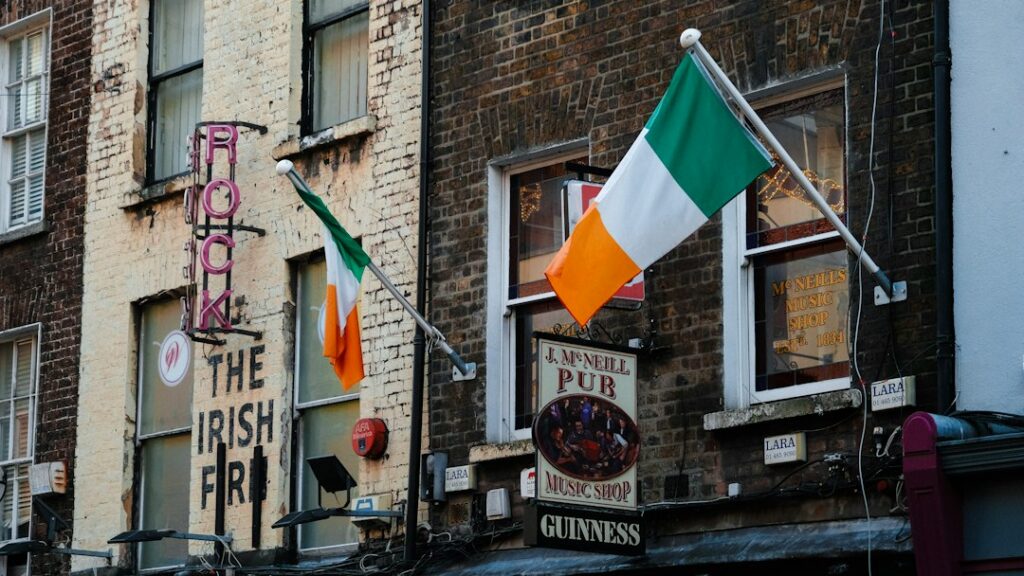
The pub plays a significant social role. After-work drinks, Friday pints, or team outings often happen at the local pub. You don’t have to drink alcohol to participate—ordering a soft drink or coffee is completely fine—but showing up matters. These informal settings are where relationships deepen and where you’ll often hear the real story behind workplace decisions.
If you’re invited for “a quick pint after work,” know that “quick” can stretch to two or three hours. You’re not obligated to stay the whole time, but try to join for at least one drink, especially in your first few months. It signals that you’re open and approachable.
Birthdays, work anniversaries, and team milestones are often marked with cake or treats in the office. If it’s your birthday, you might be expected to bring in biscuits or cake to share—it’s a quirky tradition, but a nice way to connect with colleagues.
Feedback and Performance Reviews
Performance reviews tend to be more conversational and less formulaic than in some other countries. Feedback is usually delivered gently, with positive comments cushioning any criticism. If your manager says “You’re doing great, but it might help to be a bit more proactive in meetings,” that “bit more proactive” is the real message.
Don’t wait for annual reviews to ask for feedback. Irish managers generally appreciate employees who check in regularly and ask how they’re doing. Phrasing it as “I’d love your thoughts on how I can improve” will usually get you helpful, honest input.
Practical Tips for Fitting In
- Don’t overshare your salary or benefits. Irish people tend to be private about money, even with close colleagues.
- Use “please” and “thank you” liberally. Politeness is highly valued—even in email subject lines, you’ll see “Quick question, please” or “Thanks in advance.”
- Join the tea breaks. Many offices have a culture of making tea or coffee for colleagues. Offering to make a round is a small gesture that goes a long way.
- Be patient with decision-making. Consensus-building can take time. Decisions may feel slower than you’re used to, especially in larger or more traditional organizations.
- Learn the sports and holidays. GAA (Gaelic football and hurling), rugby, and soccer are big topics. Knowing the basics—or just asking questions—helps you connect.
What If You Make a Mistake?
Irish colleagues are generally forgiving of cultural missteps, especially if you’re new to the country. If you accidentally come across as too direct or miss a social cue, a simple acknowledgment and adjustment will smooth things over. People appreciate effort and good humor more than perfection.
If you’re unsure about something—whether it’s appropriate to join a social event, how to address a senior colleague, or what to wear—just ask. Irish people are usually happy to explain and will respect you for checking.
The key to thriving in Irish work culture is to be warm, humble, and genuinely interested in the people around you. Once you’ve built those relationships, you’ll find Irish colleagues to be loyal, supportive, and generous with their time and advice.
Want a smoother transition to working in Ireland? Subscribe to the How To Move To Ireland newsletter—one practical step a day to help you settle in with confidence.