
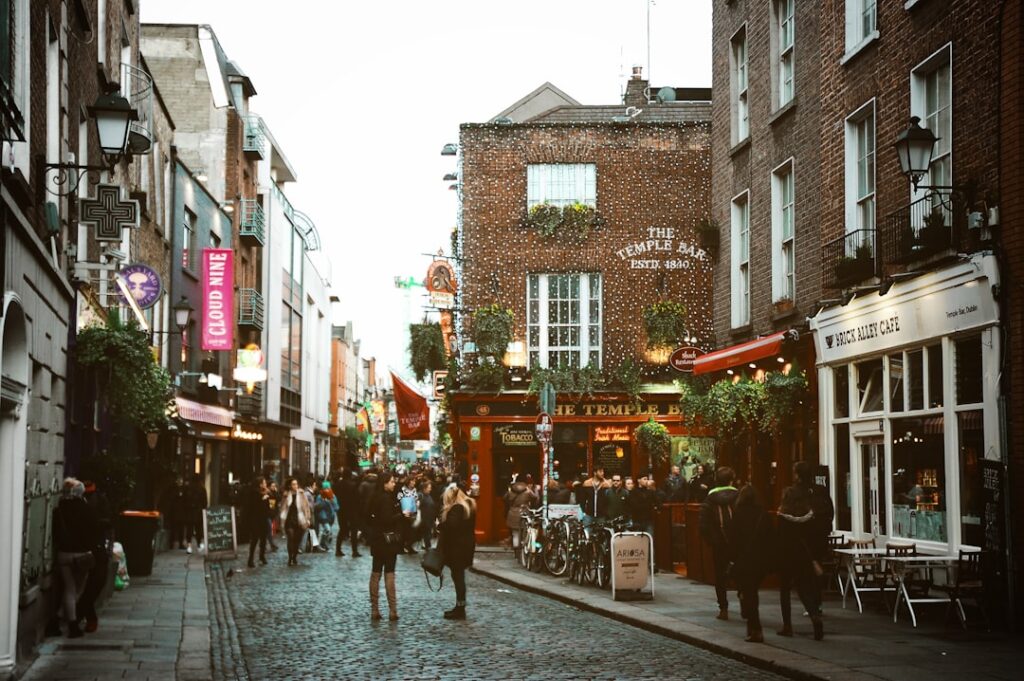
Dublin is Ireland’s largest city and economic hub, home to most multinational employers and the widest job market for newcomers. It’s also the most expensive place to live in the country. If you’re planning to move to Dublin, understanding the real costs will help you negotiate salary, choose where to live, and budget realistically from day one.
Here’s a practical breakdown of what you can expect to spend each month living in Dublin in 2026, with real numbers and context for newcomers.
Rent: Your Biggest Monthly Expense
Rent will be your largest cost by far. Dublin’s rental market is tight and competitive, and prices vary significantly by neighborhood and proximity to the city center.
Typical monthly rent in Dublin:
- Studio apartment in the city center: $1,800–$2,400
- One-bedroom apartment in the city center: $2,200–$2,800
- One-bedroom apartment outside the center: $1,700–$2,200
- Two-bedroom apartment in the city center: $2,800–$3,600
- Two-bedroom apartment outside the center: $2,200–$2,800
- Room in a shared house or apartment: $800–$1,300
Most rentals require one month’s rent as a deposit, plus the first month’s rent upfront. Rent is usually paid monthly by standing order. Utilities are sometimes included, but often charged separately — always clarify before signing.
Popular neighborhoods for newcomers include Rathmines, Drumcondrum, Stoneybatter, and Portobello for proximity to the city center, or commuter towns like Swords, Malahide, or Bray for slightly lower rent and better space.
Transport: Getting Around Dublin
Dublin has a good public transport network of buses, the Luas (tram), and the DART (suburban rail). Most newcomers rely on public transport, especially if living near the city center where parking is expensive and limited.
Monthly transport costs:
- Leap card (pay-as-you-go): $90–$140 depending on usage
- Monthly bus and rail pass (TFI 30-Day): approximately $140–$180
- Bike share (Dublin Bikes annual subscription): around $25 per year
- Taxi or ride-share: $15–$30 per trip in the city
If you drive, add car insurance ($1,000–$2,500 per year for newcomers), fuel (around $7.50 per gallon), and parking ($200–$400 per month for city center parking, if not included with your apartment). Most newcomers find public transport cheaper and more convenient.
Groceries and Food
Grocery costs in Dublin are moderate to high, similar to other Western European capitals. Budget supermarkets like Lidl and Aldi are popular with locals and newcomers alike for keeping costs down.
Typical monthly grocery costs for one person:
- Budget shopping (cooking at home, mostly Lidl/Aldi): $300–$400
- Mid-range shopping (mix of supermarkets, some fresh/organic): $400–$550
Eating out:
- Coffee: $3.50–$5
- Lunch (sandwich or café): $10–$15
- Casual dinner for two: $55–$80
- Mid-range restaurant for two: $80–$120
- Pint of beer: $6.50–$8
If you eat out regularly, add $200–$400 per month to your budget. Meal prepping and cooking at home will save you significantly.
Utilities, Broadband, and Mobile
Utilities are often not included in rent, so budget separately for electricity, gas, and internet.
Monthly costs:
- Electricity and gas (for a one-bedroom apartment): $100–$150
- Broadband (fiber, unlimited): $40–$65
- Mobile phone plan (unlimited calls/texts, data): $15–$35
Providers include Electric Ireland, Bord Gáis, and Energia for utilities; Eir, Virgin Media, and Vodafone for broadband; and Three, Vodafone, and Eir Mobile for phone plans. Set up utilities as soon as you move in — your landlord or letting agent can advise on providers.
Healthcare and Insurance
Public healthcare through the HSE is available to all residents, but many newcomers opt for private health insurance to avoid long wait times for specialists and non-emergency care.
Monthly healthcare costs:
- GP visit (if paying out of pocket): $55–$75 per visit
- Private health insurance (individual): $80–$200 per month depending on coverage
- Prescriptions: varies, but a flat fee of around $1.50–$2.50 per item under the prescription charge scheme
If you have a medical card (means-tested, available to low-income residents), GP visits and many prescriptions are free. Check your eligibility on Citizens Information.
Putting It All Together: Monthly Budget for Dublin
Here’s a realistic monthly budget for a single person living in Dublin:
- Rent (one-bedroom outside center): $2,000
- Groceries: $400
- Transport (Leap card or monthly pass): $140
- Utilities (electricity, gas): $125
- Broadband: $50
- Mobile phone: $25
- Health insurance: $120
- Miscellaneous (eating out, social, personal): $300
Total: approximately $3,160 per month, or around $38,000 per year.
If you’re sharing accommodation, your rent and utilities will be significantly lower. If you’re earning a competitive salary (the average in Dublin for skilled roles is around $50,000–$70,000), you’ll have room to save and enjoy the city.
Final Tips for Budgeting in Dublin
Dublin is expensive, but manageable if you plan ahead. Negotiate your salary with the cost of living in mind, explore neighborhoods outside the city center for better value, and take advantage of budget supermarkets and public transport passes.
Check out Citizens Information for guides on tenant rights, healthcare, and social supports, and sign up for the How To Move To Ireland newsletter for one practical relocation tip every day — from budgeting and housing to visas and settling in.