
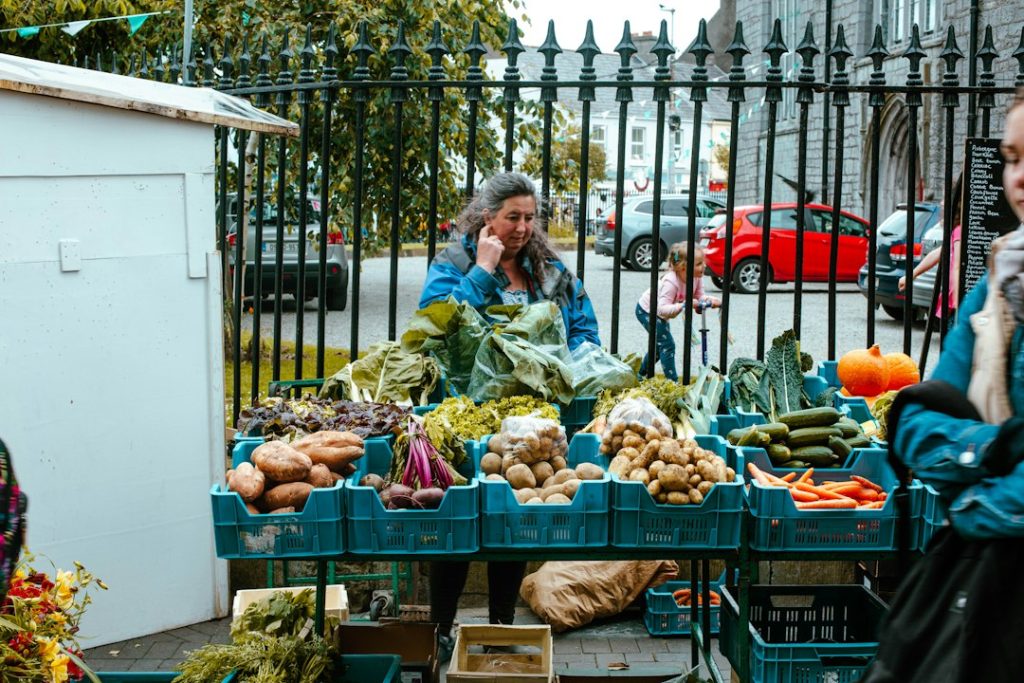
Food shopping in Ireland can feel expensive when you first arrive, especially if you’re coming from a country with lower grocery costs. But once you understand the local supermarket landscape and learn a few savvy shopping habits, you can keep your weekly food bill manageable without sacrificing quality.
This guide walks you through what to expect, where to shop, and how to budget realistically for groceries as a newcomer to Ireland.
What Groceries Actually Cost in Ireland
On average, a single person can expect to spend between $65 and $100 per week on groceries, depending on dietary preferences and shopping habits. A couple might spend $120 to $180, and a family of four typically budgets $200 to $300 weekly.
Here’s a snapshot of typical prices at mid-range supermarkets:
- Loaf of bread: $1.50 to $2.50
- Milk (1 liter): $1.40 to $1.80
- Dozen eggs: $3.50 to $5
- Chicken breast (1 kg): $11 to $14
- Potatoes (2 kg): $2 to $3
- Pasta (500g): $1 to $2
- Fresh vegetables (broccoli, carrots, peppers): $1.50 to $4 per item
- Coffee (250g): $5 to $8
- Cheese (200g block): $3 to $5
Eating out or ordering takeaway is significantly more expensive—a basic lunch will run $10 to $15, and dinner for two at a casual restaurant can easily cost $60 to $80 with drinks.
Where to Shop: The Main Supermarket Chains
Ireland has several supermarket chains, each with a different price point and product selection. Knowing where to shop can save you a lot over time.
Budget-Friendly Options:
- Lidl and Aldi: German discount chains with excellent prices on staples, fresh produce, and their own-brand products. Most newcomers start here to stretch their budget. Quality is reliable, and both chains have expanded their range to include international foods.
- Tesco: Ireland’s largest supermarket, with a wide range of budget own-brand products under the “Tesco Everyday Value” line. Good for one-stop shopping and loyalty discounts via the Clubcard.
Mid-Range Chains:
- SuperValu and Dunnes Stores: Both offer a balance of price and variety, with good fresh food sections and frequent promotions. Dunnes also sells clothing and homewares.
Premium Options:
- Marks & Spencer (M&S Food): Higher prices but known for quality prepared meals and British products. Good for occasional treats, not weekly shops.
Many neighborhoods also have smaller convenience stores like Centra, Spar, and Mace, but prices are higher than the main supermarkets.
Tips to Save Money on Your Grocery Bill
Once you’ve settled in, these strategies will help you keep food costs down:
- Shop at Lidl or Aldi for staples: Stock up on basics like pasta, rice, tinned goods, dairy, and frozen vegetables. You can easily save 20-30% compared to mid-range chains.
- Buy own-brand products: Supermarket own-brands are often made by the same manufacturers as premium labels but cost significantly less.
- Watch for yellow-sticker reductions: Most supermarkets mark down fresh items (meat, bakery, ready meals) in the evening before closing. You can freeze meat and bread for later use.
- Plan meals and make a list: Impulse buys add up quickly. Meal planning helps you avoid waste and overspending.
- Use loyalty cards: Tesco Clubcard and SuperValu’s Real Rewards offer discounts and vouchers. They’re free to join.
- Buy seasonal produce: Irish vegetables like potatoes, carrots, cabbage, and root veg are inexpensive and widely available. Imported and out-of-season produce costs more.
- Cook at home: Even simple home cooking is far cheaper than takeaway or eating out. Batch cooking and freezing portions saves time and money.
International and Specialty Foods
If you’re looking for ingredients from home, Ireland’s larger cities have international supermarkets and ethnic grocery stores stocking Asian, African, Middle Eastern, Eastern European, and Latin American products.
In Dublin, try stores along Parnell Street and Moore Street. Cork, Galway, and Limerick also have growing international food scenes. Prices are often higher than mainstream supermarkets, so it’s worth combining trips and buying in bulk where possible.
For online shopping, some specialty retailers deliver nationwide, though shipping can add to the cost.
Online Grocery Shopping and Delivery
Most major supermarkets offer online ordering with home delivery or click-and-collect. Tesco, SuperValu, and Dunnes all have apps and websites for ordering groceries. Delivery fees typically range from $4 to $8, with some offering free delivery over a minimum spend (usually $50 to $65).
This can be a lifesaver when you first arrive and don’t have a car, or if you’re juggling work and settling-in tasks.
Final Thoughts
Groceries in Ireland aren’t the cheapest in Europe, but with smart shopping habits and a bit of planning, you can keep your food budget under control. Start with the discount chains, learn the weekly deals cycle at your local supermarket, and don’t be afraid to try own-brand products—they’re often just as good as the premium labels.
Once you find your rhythm, grocery shopping becomes one less thing to worry about as you settle into Irish life.
Want more practical advice on living in Ireland? Subscribe to the How To Move To Ireland newsletter and get one actionable tip delivered to your inbox every day—from navigating the tax system to finding the best mobile plan. We’ll help you settle in, one step at a time.