
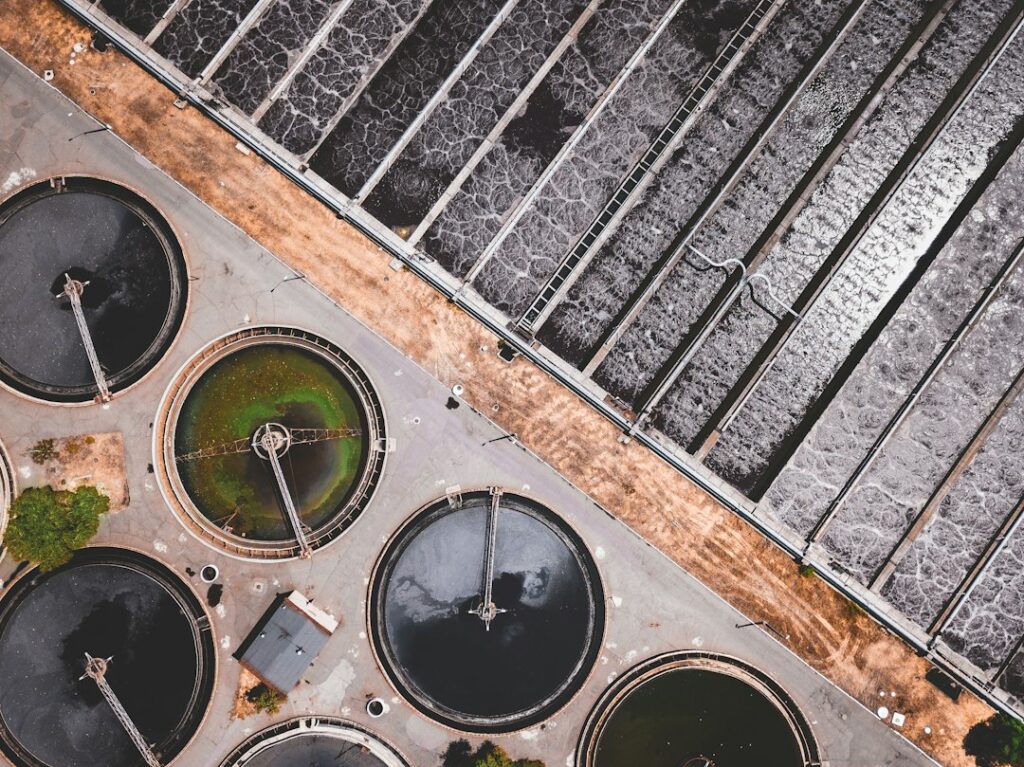
One of the pleasant surprises for many newcomers to Ireland is that domestic water is provided free of charge. Unlike many other countries, you won’t receive a water bill for your home use. But before you celebrate too much, there’s a catch: you will need to pay for waste collection, and those costs can add up quickly.
Understanding how waste and water services work in Ireland will help you budget correctly and avoid any unwelcome surprises when you move in.
Free Ireland Move Checklist (PDF)
The 40 things to sort before you go, in one list you can tick off.
Send me the free checklistWater Services: Free for Domestic Use
Irish Water (Uisce Éireann) is the national water utility, responsible for supplying drinking water and managing wastewater across the country. For domestic households, there are no water charges. You won’t pay a monthly or annual bill for the water you use at home, whether you’re renting or buying.
This applies to both houses and apartments. If you’re renting, your landlord cannot charge you separately for water usage. It’s simply included as part of living in Ireland.
However, if you’re running a business from your home or renting a commercial property, you may be subject to non-domestic water charges. Check with Irish Water if you’re unsure about your status.
You don’t need to register with Irish Water when you move into a new home unless there’s an issue with service or you need to report a problem. The utility manages the infrastructure in the background, and most newcomers won’t need to interact with them directly.
Waste Collection: Your Responsibility (and Your Cost)
Unlike water, waste collection in Ireland is not free, and it’s not automatically provided by the local council in most areas. You are responsible for arranging your own refuse collection service with a private waste company.
This is one of the most common surprises for people moving from countries where municipal waste collection is included in local taxes. In Ireland, you choose a provider, sign up for a plan, and pay for the service directly.
How much does it cost? Expect to pay between $25 and $50 USD per month, depending on your location, the size of your bin, and how often it’s collected. Most providers offer:
- General waste (black bin): non-recyclable rubbish, collected weekly or fortnightly
- Recycling (green bin): paper, cardboard, plastics, and metals
- Organic waste (brown bin): food scraps and garden waste
Some companies charge a flat monthly fee, while others use a pay-by-weight system, where you’re billed based on how much waste you produce. Pay-by-weight can be cheaper if you’re good about recycling and composting, but it requires more discipline.
You’ll typically need to arrange waste collection within your first week or two of moving in, especially if you’re in a house. Apartment complexes often have shared bins managed by the building management or landlord, so check your lease to see if waste collection is included in your rent.
Choosing a Waste Collection Provider
There are several private waste companies operating across Ireland, and availability depends on where you live. The main national providers include:
- Panda Waste
- Greyhound Recycling
- Thorntons Recycling
- City Bin Co.
Check which companies service your area by entering your Eircode (Irish postal code) on their websites. Most allow you to sign up online, and they’ll deliver your bins within a few days.
When comparing providers, look at:
- Collection frequency: weekly or fortnightly for each bin type
- Bin sizes: typically 240-liter bins, but smaller options are available for singles or couples
- Pricing model: flat-rate vs. pay-by-weight
- Contract terms: some require a minimum commitment, others are month-to-month
If you’re renting, ask your landlord if they have a recommendation or if there’s a specific provider used in your estate. In some housing developments, all residents use the same company for logistical reasons.
Recycling and Waste Rules You Need to Know
Ireland has strict recycling rules, and waste companies will refuse to collect your bin if it’s contaminated with the wrong materials. This is enforced with bright red “rejected” tags, and you’ll need to sort it out before the next collection.
General waste (black bin): Items that can’t be recycled or composted, like plastic films, nappies, and broken ceramics.
Recycling (green bin): Clean, dry cardboard, paper, plastics with recycling symbols, tins, cans, and glass bottles. Food-soiled packaging and soft plastics generally don’t belong here.
Organic waste (brown bin): All food waste (cooked or raw), tea bags, coffee grounds, and garden waste like grass clippings and leaves. No plastic bags, even compostable ones in some cases—check your provider’s rules.
Get into the habit of rinsing containers and separating waste properly from day one. It saves money if you’re on pay-by-weight, and it helps you avoid the hassle of rejected bins.
What If You’re in an Apartment?
If you’re renting an apartment, waste collection is often managed centrally by the building management company or landlord, and the cost may be included in your rent or service charge. Check your lease carefully.
In larger complexes, you’ll have access to communal bins in a designated area. Make sure you understand the building’s recycling rules and bin schedules, as these can vary.
If waste collection is not included and you’re expected to arrange it yourself, the same rules apply as for houses—sign up with a local provider and get your bins delivered.
Managing Costs and Staying Compliant
To keep your waste costs down:
- Recycle and compost as much as possible—general waste is the most expensive to dispose of
- Choose a smaller bin size if you live alone or with one other person
- Consider pay-by-weight if you produce very little waste
- Avoid putting recyclables in the general waste bin; it costs you more and harms the environment
If you’re moving from a country where waste collection is included in council tax or provided free, factor $300 to $600 USD per year into your budget for this service.
Moving to Ireland involves a lot of small, practical steps like this. Subscribe to the How To Move To Ireland newsletter and get one actionable tip delivered to your inbox each day—so nothing falls through the cracks.